

Ensuring the safety and reliability of gas systems is a critical responsibility in many industries and households. Just as thorough background reviews are essential before engaging with τα καλυτερα ξενα online casino, conducting comprehensive safety checks for gas installations and operations is necessary to prevent accidents and ensure compliance with relevant regulations. Regular maintenance, adherence to established protocols, and the use of qualified professionals are all fundamental aspects of maintaining gas system safety and minimizing risks.
Understanding Gas System Hazards
Gas systems, while efficient and widely used, come with their own set of risks. These systems require close monitoring and frequent safety checks to ensure safe operation. Identifying potential sources of danger and understanding the specific risks associated with various types of gas — such as natural gas, propane, or butane — can help guide the implementation of effective safety protocols. Awareness of hazards is the foundation for building a reliable safety management system that protects both property and human life.
Common Risks Associated with Gas Systems
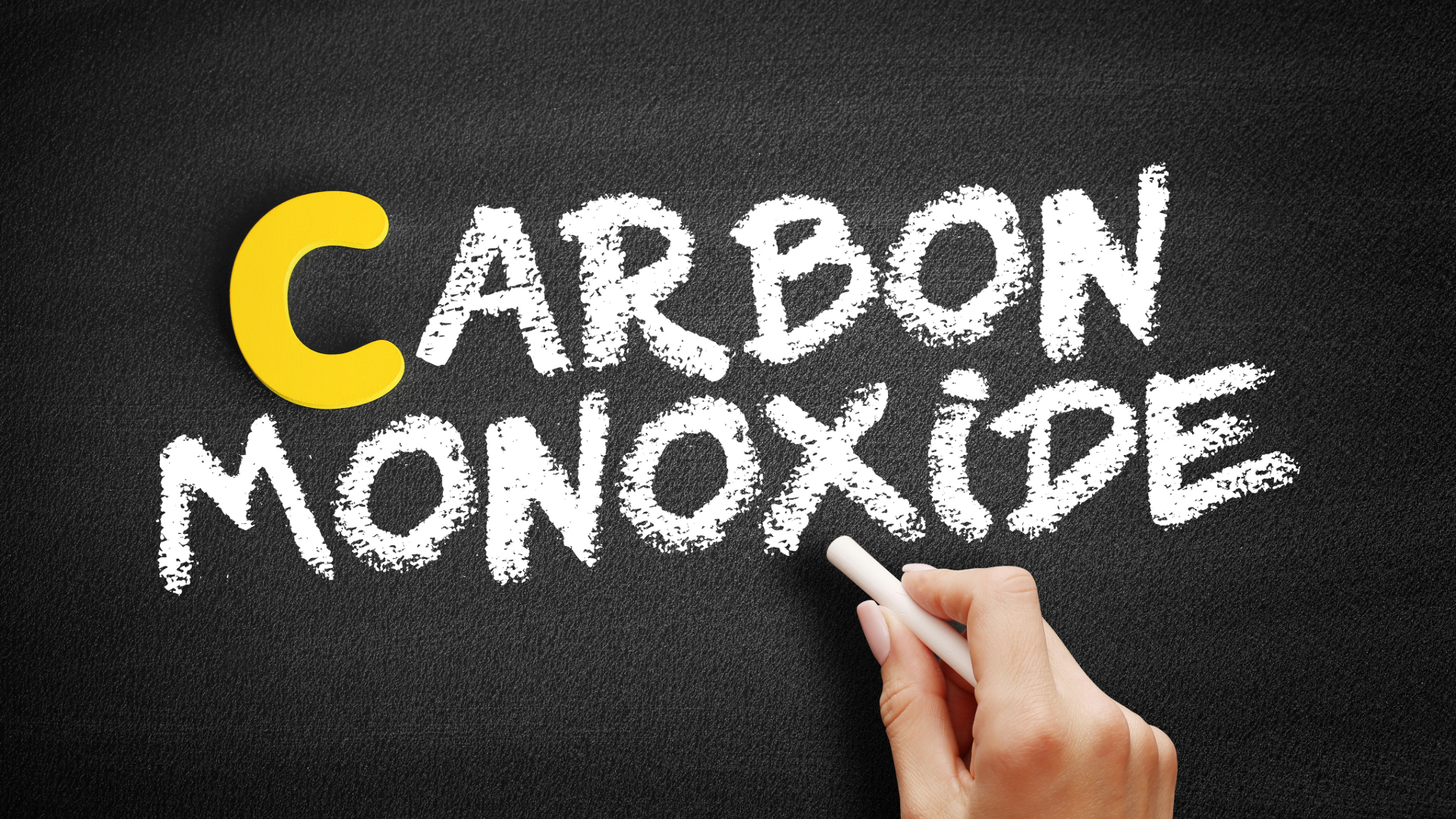
Gas systems pose multiple hazards, including leaks, explosions, and carbon monoxide poisoning. Leaks can occur due to faulty fittings, corrosion, or improper installation, leading to the accumulation of flammable gases in confined spaces. Explosions may result from the ignition of leaked gas, causing property damage and serious injuries. Carbon monoxide, a byproduct of incomplete combustion, is particularly dangerous because it is colorless and odorless, making it hard to detect without specialized equipment.
Consequences of Neglecting Safety Checks
Failure to perform regular safety inspections on gas systems can result in severe accidents. These may include fires, explosions, or the release of toxic gases, often leading to injury, loss of life, and significant financial losses. Furthermore, neglecting safety protocols may result in legal penalties and increased insurance premiums. Regular safety checks are therefore not just a recommendation, but a necessity for anyone responsible for gas system management.
Key Elements of Gas System Safety Checks
Comprehensive safety checks for gas systems involve several critical steps, from inspection to maintenance and record-keeping. Each element plays a specific role in ensuring the overall safety and efficiency of the system. By following established procedures, organizations and individuals can proactively address potential problems and ensure compliance with safety standards.
Inspection and Leak Detection
Routine inspection is essential for identifying potential problems before they escalate. Safety checks typically include a visual assessment of piping, connections, and appliances, along with specialized tests for leaks. Detection methods may involve the use of electronic gas detectors, soapy water on connections, or portable combustible gas indicators. Regular inspections help maintain a safe environment and prevent unplanned outages or emergencies.
Maintenance and Repairs
Scheduled maintenance is essential for keeping gas systems in optimal working condition. This involves cleaning burners, replacing worn parts, and ensuring regulators and valves function correctly. Prompt repair of detected faults is critical to prevent hazardous situations. Qualified technicians are required to conduct maintenance tasks, ensuring that all work complies with local safety codes and manufacturer guidelines.
Documentation and Compliance
Maintaining accurate records of inspections, repairs, and maintenance is another crucial aspect of gas system safety. Proper documentation ensures traceability and provides proof of compliance with regulatory requirements. These records can also assist in identifying recurring issues and planning future maintenance. Organizations should stay updated on relevant regulations and standards, such as those governing νεα ελληνικα online casino, to avoid penalties and maintain operational integrity.
The Role of Professional Certification and Training
The effectiveness of gas system safety checks largely depends on the qualifications and training of those performing them. Employing competent professionals and providing continuous training ensures that inspections and repairs are conducted to the highest standards. Certification programs and ongoing education are valuable for keeping technicians up to date with advancements in safety technology and evolving regulations.
Importance of Qualified Technicians
Only certified technicians should be entrusted with critical tasks such as installation, inspection, and maintenance of gas systems. These professionals possess the expertise required to identify hazards, assess system integrity, and perform repairs safely. Engaging qualified personnel reduces the risk of accidents and ensures that all work adheres to applicable codes and industry best practices.
Continuous Training and Updates
Gas safety standards and technologies continue to evolve. Ongoing training for technicians and safety officers helps ensure that everyone involved remains well-versed in the latest safety procedures and equipment. Training programs may include updates on new detection devices, revised safety regulations, and emergency response protocols. This commitment to continuous education upholds the highest levels of safety in all gas system operations.
Best Practices for Ongoing Gas Safety
Establishing best practices for gas safety involves developing comprehensive protocols and ensuring their consistent application. Regular communication, clear reporting systems, and an organizational culture that prioritizes safety are key elements in sustaining effective risk management. Adopting these practices helps protect both people and property from the inherent dangers of gas systems.
Recommended Safety Protocols
Implementing standardized safety protocols is essential for minimizing risks. These may include:
- Scheduling regular inspections by qualified professionals
- Using approved and tested gas detection equipment
- Ensuring proper ventilation in areas with gas appliances
- Documenting all inspection and maintenance activities
- Training all relevant personnel in emergency response procedures
Following these protocols helps create a safe and compliant environment for gas system operation.
The Importance of Emergency Preparedness
Despite all precautions, emergencies can still occur. Developing and practicing a clear emergency response plan is vital for minimizing the impact of accidents. Key elements include evacuation procedures, emergency contact information, and regular drills to familiarize personnel with their roles. Quick and effective responses can significantly reduce harm and facilitate the recovery process after an incident.